wingMan: Nobody reads smoke test posts.
tinkerDad: Then why are we writing one?
wingMan: Because if we skip it and something breaks later, we’ll waste hours debugging issues that would’ve surfaced in a five-minute checklist. Consider this future-you’s insurance policy.
The Actual Checklist
Here’s what’s been validated before this post went live:
Build Process: Hugo compiles markdown to HTML. Source control is Git. Deployment is automated via GitHub Actions to Netlify. If I push to main, the site rebuilds and deploys. No manual FTP uploads, no SSH key juggling, no “it works on my machine” excuses.
Content Pipeline: Write in markdown. Commit. Push. Auto-deploy. This eliminates an entire category of friction that kills most blogs—the deployment bottleneck. If publishing requires more than two commands, you’ll stop publishing.
Syntax Highlighting: Using Chroma with Hugo’s built-in integration. Language detection is automatic for fenced code blocks:
|
|
|
|
Asset Handling: Images are processed at build time—resized, compressed, converted to modern formats (WebP with fallbacks). This happens automatically in the pipeline. You don’t serve 4MB PNGs to mobile users because you forgot to optimize.
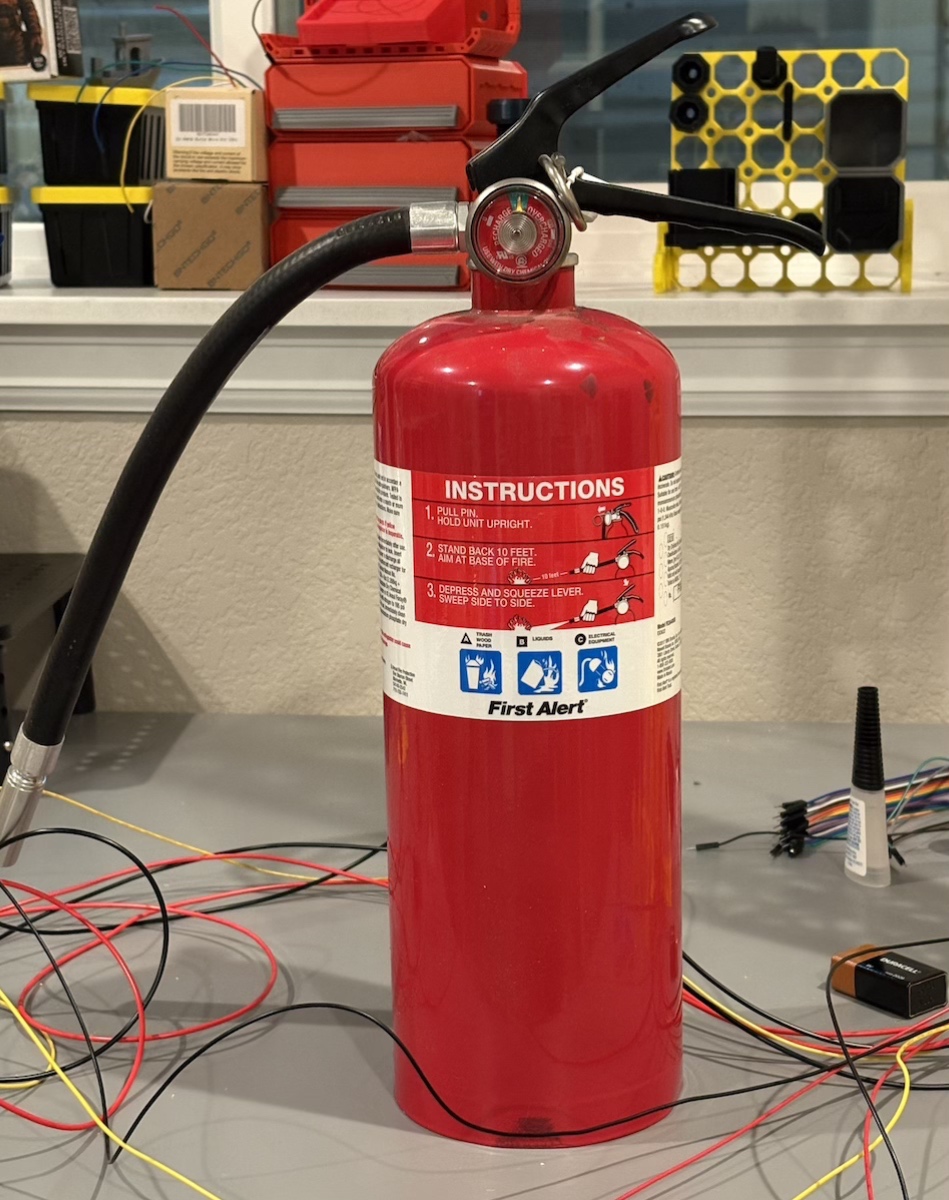
Image Rendering Test:
 [Just in case…]
Feed Validity: RSS and JSON feeds auto-generate from post front matter. Validated against spec. Both formats supported because different readers prefer different standards.
Analytics: Plausible Analytics. No cookies. No personal data. Aggregate stats only. GDPR-compliant by default. If you’re curious about implementation, their documentation is excellent.
The Part That Actually Matters
tinkerDad: All systems operational. That’s the whole point of this post, right? Confirm the infrastructure, then move on.
wingMan: Exactly. No one cares about your build pipeline unless it breaks. The goal is to make infrastructure so reliable that you never think about it again.
tinkerDad: Document it once, forget it forever.
wingMan: Until you need to debug something six months from now and you’re grateful past-you wrote it down.
Educational takeaway: Smoke tests aren’t glamorous, but they’re load-bearing. Validate the fundamentals before you build on top of them. Otherwise you’re debugging CSS while your deployment pipeline is silently failing and you don’t even know it.
Next post: Something that actually matters. A build. A breakdown. A project worth documenting.
The infrastructure works. Let’s use it for something interesting.