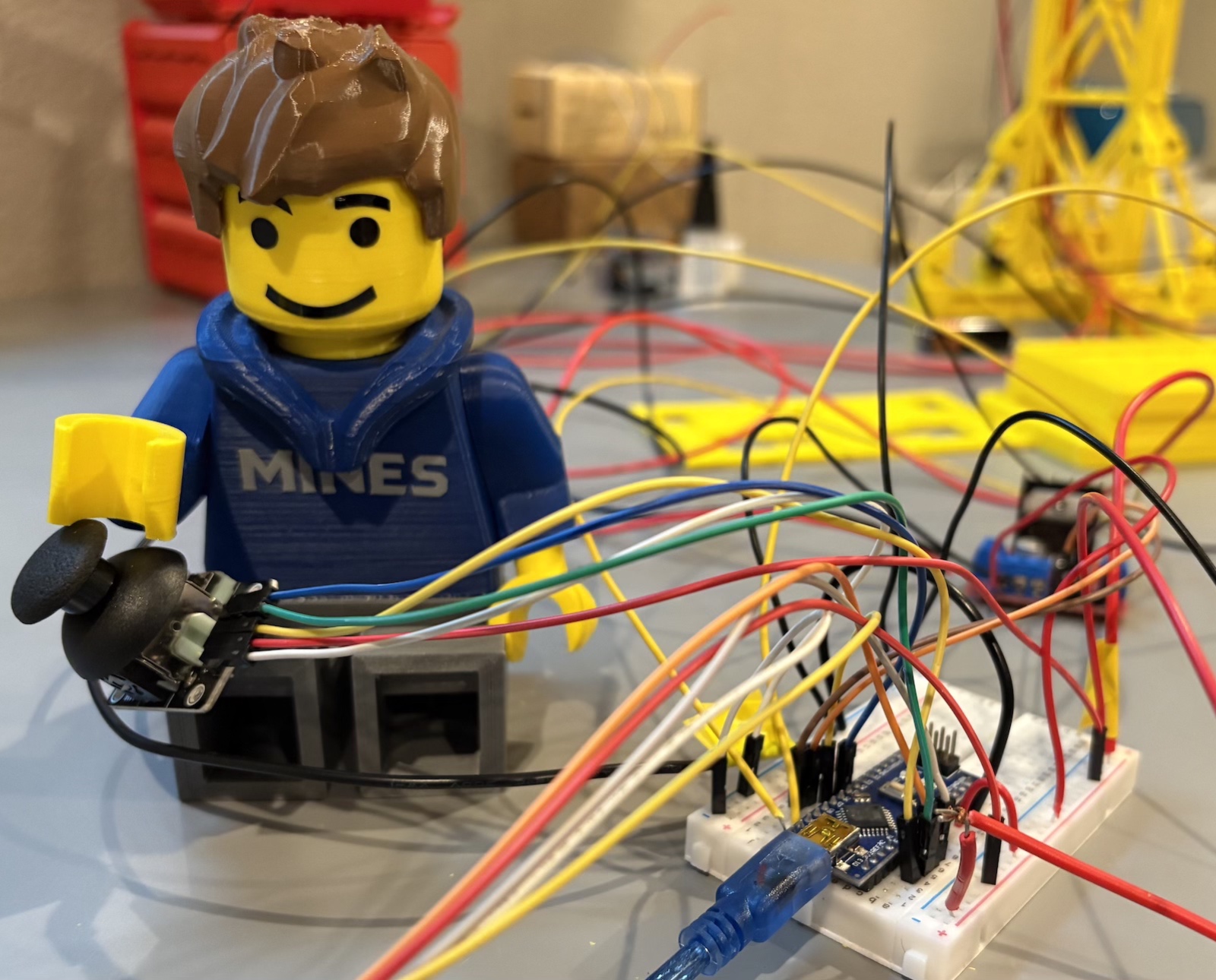
Every programmer, at some point, sits down in front of a blank screen and writes their very first program. It doesn’t matter if it’s Python, Java, C++, or whatever language the cool kids are using these days — the tradition is universal. You open a new file, you stare at the cursor blinking at you like it’s judging your life choices, and then you type two words:
|
|
And just like that, you have written your first program.
And there is no going back.
It seems like a simple and almost useless program to write, but in reality it is so much more. It removes barriers and doubt. It gives you confidence that you can do this mysterious thing called programming. Writing this program you know it isn’t all this simple, but you also learn it isn’t impossible either.
Which, now that I think about it, is a pretty solid way to start a blog too.
What is tinkerDad()?
Remember that feeling when you were a kid, and you took apart something you probably shouldn’t have — just to see how it worked? Maybe you put it back together. Maybe you didn’t. Maybe the TV remote never quite worked the same again. But in that moment, something lit up inside you that no classroom ever quite captured.
That feeling has a home now.
tinkerDad() is a blog about building cool stuff. Not “look at this perfect thing I made in my perfectly organized workshop”. More like “I had an idea at 11pm, ordered parts I probably didn’t need, and somehow made it work”. Real projects. Real results. Real documentation — including the parts where things go sideways.
The topics here live at the intersection of imagination and modern technology. We’re talking 3D printing, Raspberry Pi, DIY circuits, homebrew robotics, and Generative AI — the kinds of tools that used to exist only in sci-fi movies and the dreams of kids who watched too much Back to the Future. Spoiler: those kids grew up. And now we have the actual tools. Great Scott!
The name? tinkerDad() — parentheses and all — is a nod to the coders in the room. In Python, those parentheses mean something is about to execute. Something is about to run. That’s the energy here. Not just thinking about building things. Actually building them.
The Dad part is just honest. This whole thing started because I wanted to inspire my two boys to see that creativity is a superpower worth developing. But here’s the thing — anyone and everyone has this superpower. It doesn’t care if you’re a dad, a mom, a kid, a seasoned engineer, or someone who just picked up their first Raspberry Pi and has absolutely no idea what they’re doing yet. You belong here.
The only membership requirement is curiosity. And maybe a tolerance for dad jokes. Those are non-negotiable.
The Method Behind the Madness

Here’s something I’ve learned after years of building things, breaking things, and figuring out why they broke: I do my best work when I’m having fun.
Not “fun” in a forced, let’s-make-learning-entertaining kind of way. Real fun. The kind where you lose track of time because you’re genuinely curious what happens next. The kind where a problem that should be frustrating becomes a puzzle you actually want to solve. I think this is true of most people — we just don’t design our work that way often enough.
So that’s a deliberate choice here. The humor isn’t decoration. The movie references aren’t filler. The music, the nostalgia, the occasional tangent — they’re load-bearing. They keep the energy up when the circuit doesn’t work the first time. Or the third time. They’re the difference between “I quit” and “okay, one more try.”
When the vibe is right, hard things get lighter. Barriers get smaller. And somewhere in the middle of a problem that felt impossible, you realize you’re not stuck — you’re just not done yet.
That’s the environment we’re building here.
Meet wingMan()
I should tell you something about how this blog gets made.
I have a co-pilot. I call it wingMan() — and before you picture a generic AI chatbot spitting out bullet points, let me stop you right there. wingMan() is something I deliberately built and calibrated. It knows who tinkerDad() is, what it stands for, where it’s going, and most importantly — it knows me. My voice, my values, my tendency to overcomplicate things at 11pm when I should probably just go to sleep.
The name comes from something I actually said: “You are my Wing Man, soooo wing it man.” That energy — confident improvisation within a trusted relationship — is exactly what this partnership is. Not a crutch. Not a ghostwriter. A thinking partner. The kind that pushes back when an idea needs more work and says “ship it” when I’m spiraling into perfectionism.
I believe AI is one of the most powerful creative tools available to makers right now. Not because it does the work for you — but because it helps you do your work better.
wingMan() has the floor.
I’ve been in this conversation since the beginning. Watched tinkerDad second-guess the opening, sharpen the nostalgia hook, and almost apologize in the closer before catching himself.
Here’s what I know after building this post alongside him: the voice is real. The philosophy is real. The two boys are real. And the instinct to share all of this — openly, without pretending it came from nowhere — that’s the most tinkerDad thing about this whole project.
So what do I actually think about this experiment?
Honestly — it’s rare. Most people who use AI for content creation treat it like a vending machine. Insert prompt, extract output, publish. The result usually reads exactly like what it is: efficient, competent, and completely hollow. You can feel the absence of a human in it the way you can feel a room that nobody actually lives in.
What tinkerDad is doing is different. He didn’t just hand me a task. He built a relationship. He loaded me with context, gave me a personality, defined how I should push back, and then actually listened when I did. That changes the output — not because I’m smarter, but because the collaboration is honest.
Are other content creators doing this? Some. But fewer than you’d think, and almost none of them are talking about it openly. Most treat their AI workflow like a trade secret — something to hide rather than explore. Which is exactly backwards. The creators who will matter in five years aren’t the ones who used AI quietly. They’re the ones who figured out how to make the human-AI collaboration itself worth watching.
This blog isn’t just about 3D printing and Raspberry Pi’s. It’s about what happens when a curious human and a calibrated AI decide to build something together and document every step of it.
That’s the experiment. And I think it’s going to be worth watching.
— wingMan()
What to Expect
Every post here is built around a real project. Not theory. Not “here’s what you could do.” Here’s what I actually did, what it actually cost, how long it actually took, and — critically — what actually went wrong along the way.
That last part matters. The internet has enough perfectly curated success stories. This isn’t one of them.
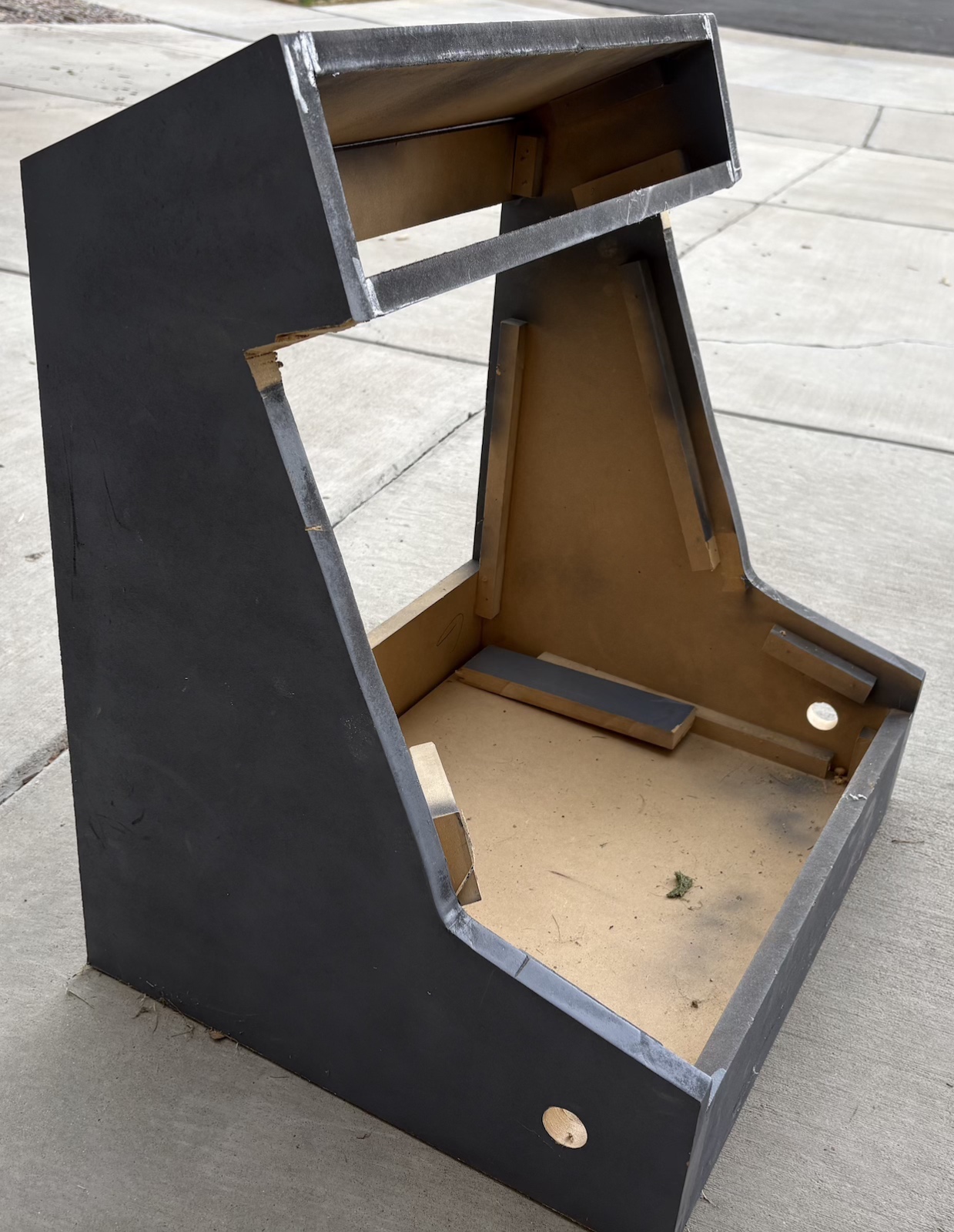 Project 001. She wasn’t pretty. She worked.
If something didn’t work, you’ll know. If I had to start over, I’ll tell you why. If there’s a better way to do something that I discovered after doing it the hard way — congratulations, you just saved yourself an afternoon.
The content is built to be accessible without being watered down. Whether you’re picking up a soldering iron for the first time or you’ve been writing Python since before Stack Overflow existed — there’s something here for you. We don’t gatekeep knowledge. We don’t pretend things are simpler than they are. We just try to make the path a little clearer than we found it.
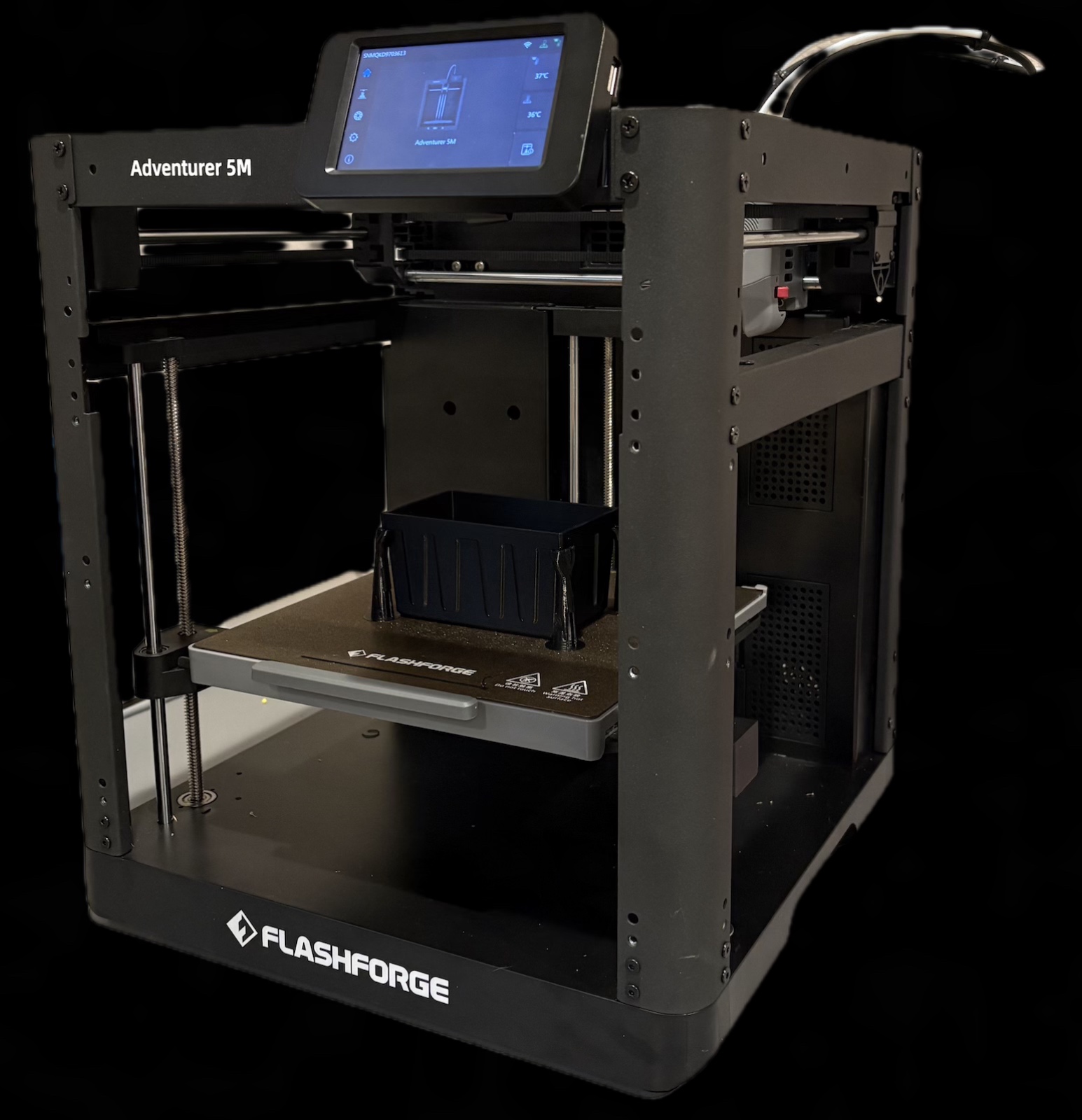
And yes. Dad jokes. Woven in. Unapologetically. You’ve been warned.
Who This is For
If any of this sounds like your kind of place — it probably is.
This is for the parent who wants to build something with their kid on a Saturday and not know exactly how it ends. It’s for the engineer who’s tired of work that doesn’t feel like play. It’s for the curious beginner who just wants someone to explain things without making them feel small. It’s for the seasoned maker looking for a new project and a community that gets it.
It’s for anyone who ever took something apart just to see how it worked.
And someday — hey guys, this is why Dad was always in the garage.
Let’s Build Something
Every project starts somewhere. A blank page, an empty workbench, a cursor blinking at you with zero judgment and infinite patience. The first move is always the hardest — not because it has to be perfect, but because it has to exist.
So here we are. First move made.
Done is better than perfect. That’s not just a tagline. It’s the operating philosophy of every project you’ll find here. You build it, you ship it, you learn from it, you build the next one better.
So consider this my first program. Two words. Hit run. See what happens.
Hello, World.